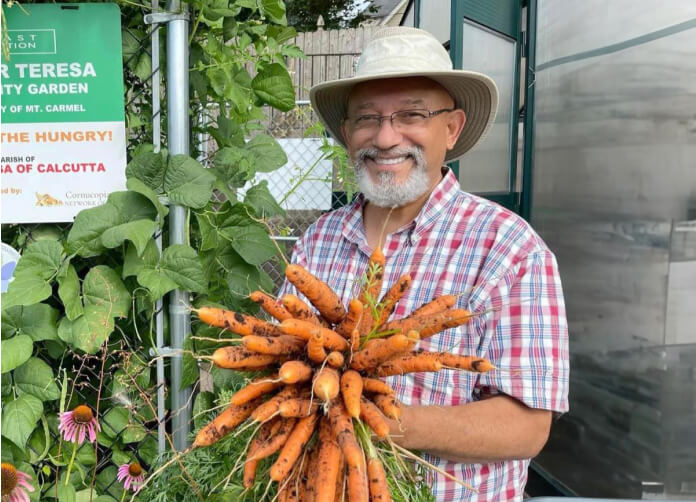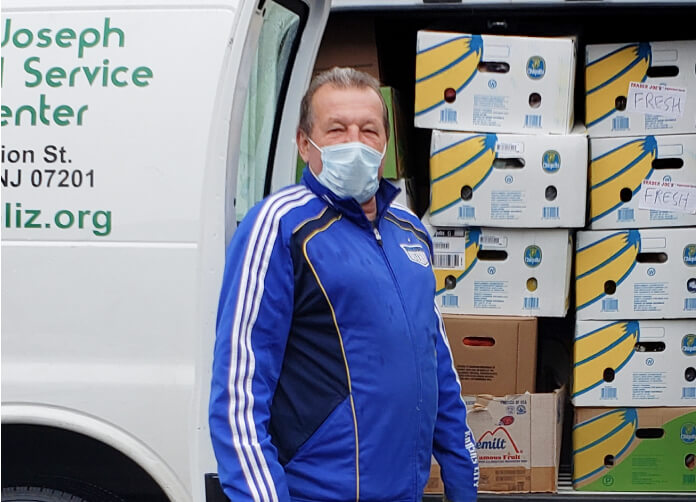
Not everyone who needs food can get to a food pantry for various reasons. Last-mile food distribution delivers nutritious food in NJ communities to meet that challenge.
From pop-up food pantries in underserved communities to mobile food distribution directly to those in need, last-mile food deliveries are another way organizations are enhancing food security in NJ. Going the last mile delivers healthy food to New Jersey residents who might otherwise be unable to afford or access fresh produce, dairy products, frozen meats, and pantry staples.
Making a Difference Honorees Going the Last Mile to Fight Food Insecurity
Tanya and Matthew Veltz
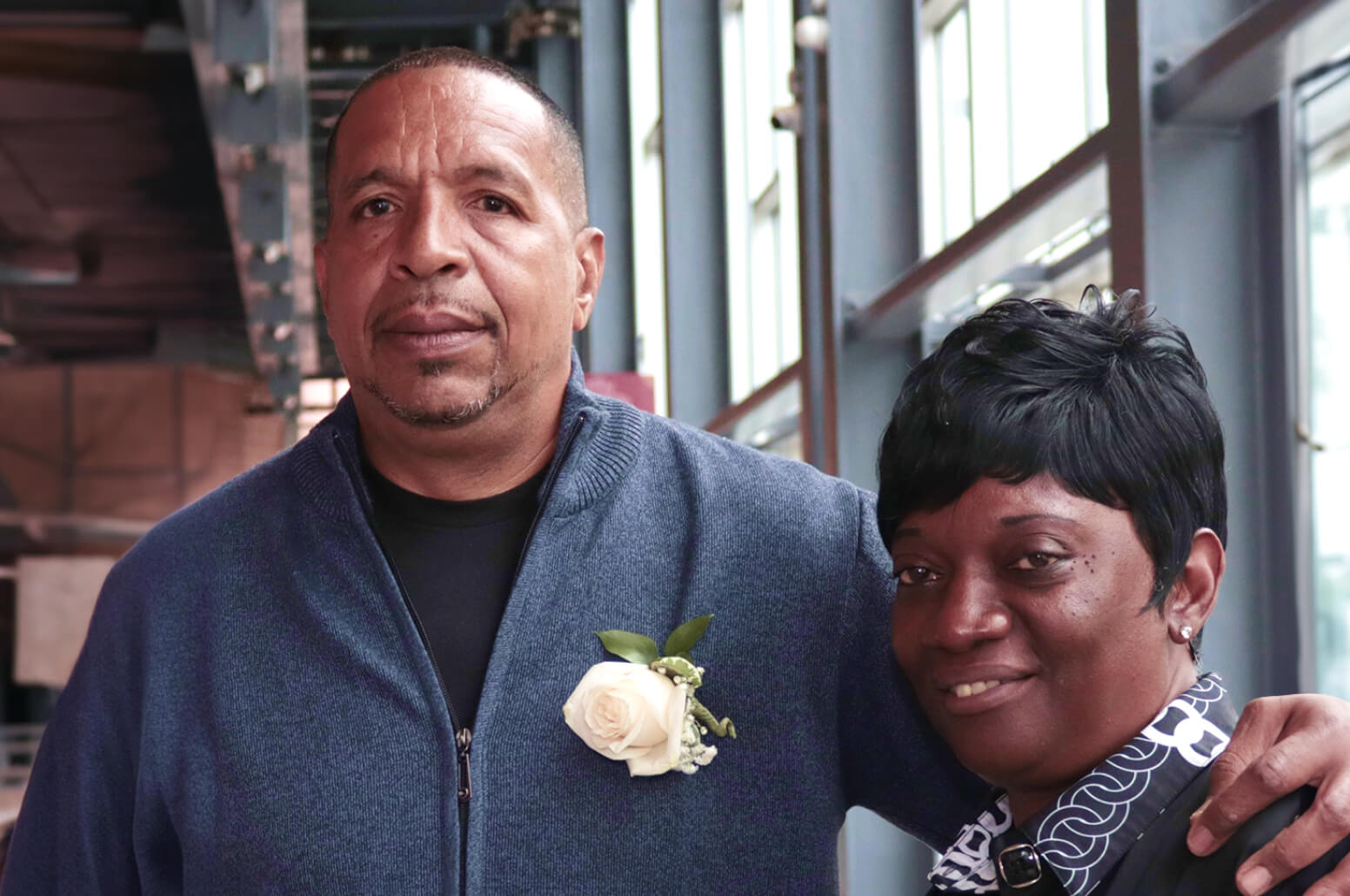
Easing hunger, meeting needs by sourcing and distributing donated food
Tree House programs uplift residents’ lives by distributing groceries, clothing and personal necessities, hot meals, and school supplies (among its other initiatives) in the greater Newark area. The nonprofit organization sources donated food and distributes it to people who would otherwise go hungry, bringing fresh food and healthful pantry staples to people in Newark and beyond. Since its founding in 2017, Tree House has distributed nearly 40 million pounds of food and clothing to neighbors in need. Learn more about Tree House Cares here.
Read more about Tanya and Matthew’s mission on our blog.
Stephanie Wilson

Stephanie and her colleagues were featured on Spotlight New Jersey with Della Crews (December 2024)
Working to make Hudson County hunger-free
Hunger Free UIC’s mission is to promote food equity in Hudson County through compassionate food distribution and empowering nutrition education. The organization distributes nutritious meals, educates communities on healthy eating habits, and works tirelessly to break the socioeconomic barriers in accessing quality food. Locations and times for its weekly pop-up food distributions are posted on Facebook so the community knows where to go for free, wholesome food 52 weeks a year.
Claudia Wheeler
See more about Claudia's mission in this video.
Preserving food and family in the daily fight against hunger and poverty
Founded in 2018, SALT Foundation’s mission is to help ensure extra food does not go to waste and instead, goes to the communities that need it. It rescues unsold produce and other foods from supermarkets and farm rescue organizations to distribute to people dealing with food insecurity around New Jersey. This initiative includes distributing rescued food in Perth Amboy once a week through the Puerto Rican Association of Human Development. Claudia and her team also receive underwear, toiletries, and school supplies from supporting retailers to fulfill SALT’s expanded mission to “meet the people where they are” with the assistance they need. Claudia hopes to bring her mission to more underserved communities and develop more nonprofit partnerships to expand SALT’s reach.
Read more about Claudia and SALT Foundation on our blog.
Dionisio Cucuta, Jr.
Learn how "Chef Dion" launched Table to Table Tuesdays as a response to the COVID pandemic in this feature from Today with Hoda & Jenna (November 2021)
Leveraging a valuable partnership to feed hungry families
“Chef Dion” as he is known is a disabled Marine veteran, chef, and culinary arts teacher in Bergen County. When COVID hit and food insecurity greatly increased, he created Hot Wheels, which provided over 25,000 three-course hot dinners, prepared from scratch, to families at the Bergen Family Center in Englewood. He then launched a weekly food distribution program in partnership with Table to Table called Table to Table Tuesday. The program provides fresh food to economically disadvantaged families with curbside pickups and walkups for food. Since its inception in 2020, Table to Table Tuesdays has served over 250,000 meals.
Zamir Hassan
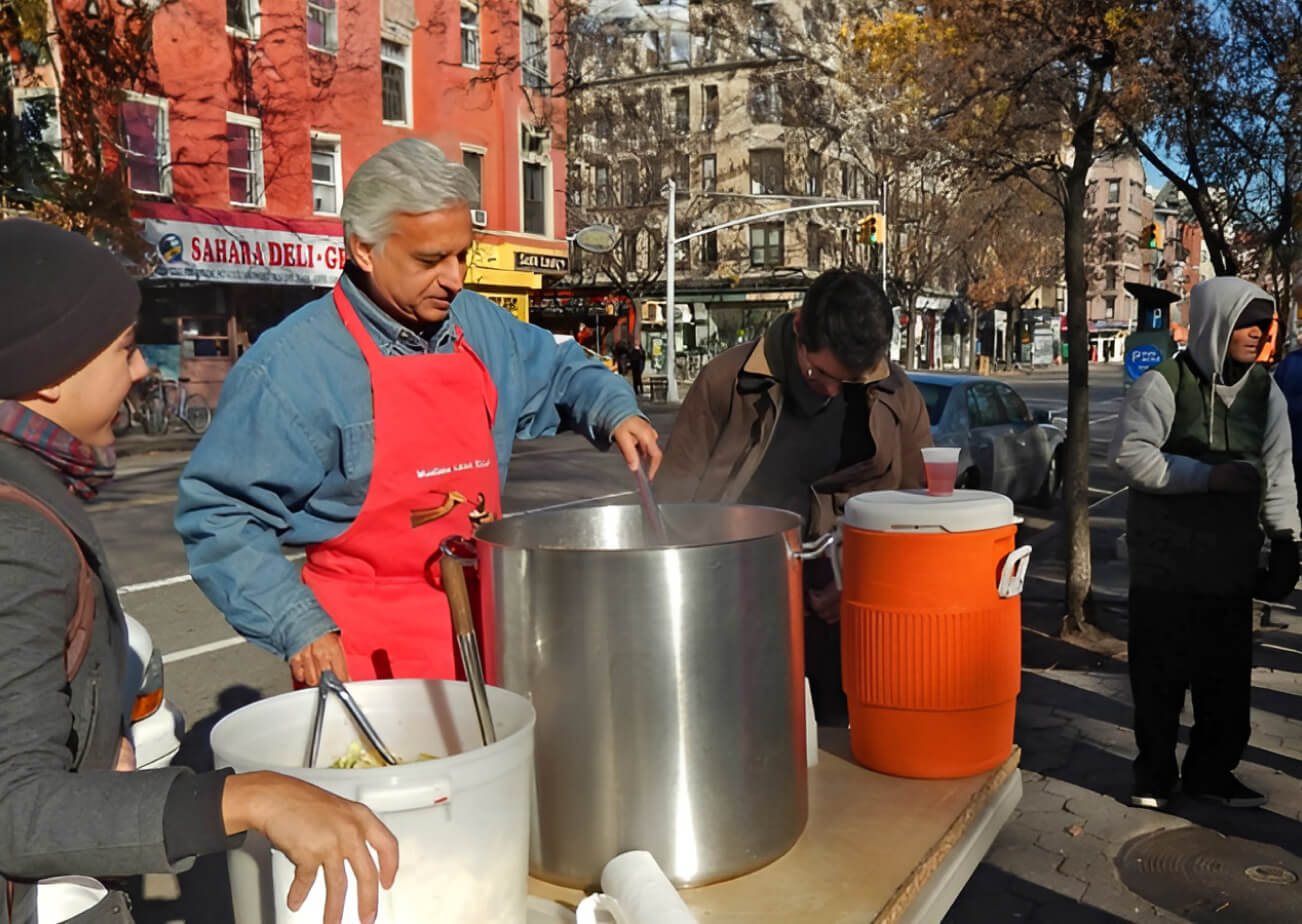
Leading the drive against hunger among the homeless
While chaperoning his son’s class to a local soup kitchen over 20 years ago, Zamir was astonished to learn that even in wealthy NJ communities, people struggle with hunger. This led him to start Muslims Against Hunger–which eventually became Faiths Against Hunger–to engage his faith community. He started the Hunger Van in 2011 to bring cooked meals and other essential items to the homeless on the streets and unite volunteers across religious, political and socioeconomic boundaries, engaging communities and helping to promote a unanimous pledge to serve humanity.
I realized that soup kitchens only help those who live near the soup kitchen. What about the people who live under the bridge, or at the train station? There are homeless people right in our backyard, who get nothing to eat.
Zamir Hassan